| c. 3500 – 1900 | Sumer | A collection of independent city-states (like Uruk and Ur) in southern Mesopotamia, credited with early writing, the wheel, and the first schools. | Bronze Age. Mastered irrigation, monumental ziggurats, and cuneiform writing. | Preceded by: Ubaid period. Succeeded by: Akkadian Empire (conquest). |
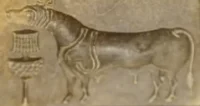
| c. 3300 – 1300 | Indus Valley (Harappan) | A highly advanced, urban civilization along the Indus River, known for planned cities (Mohenjo-daro, Harappa), standard weights, and undeciphered script. | Bronze Age. Advanced urban planning, drainage systems, standardized baked bricks, and maritime trade. | Preceded by: Local Neolithic cultures. Succeeded by: Late Harappan / Cemetery H cultures (gradual decline). |
| c. 2334 – 2154 | Akkadian Empire | The first ancient empire, founded by Sargon of Akkad, which united the Sumerian city-states and spread Semitic language and culture. | Bronze Age. Centralized imperial administration, standing armies, and extensive trade networks reaching the Mediterranean. | Preceded by: Sumerian city-states. Succeeded by: Gutian period (invasion). |
| c. 1894 – 1595 | Old Babylonian Empire | An Amorite dynasty that rose to power in Mesopotamia, most famous for King Hammurabi and his comprehensive law code. | Bronze Age. Codified law (Code of Hammurabi), advanced mathematics, and centralized bureaucracy. | Preceded by: Sumerian & Akkadian periods. Succeeded by: Kassite Dynasty (after Hittite sack of Babylon). |
| c. 1700 – 1200 | Hittite Empire | An Indo-European power centered in Anatolia (modern Turkey), known for their use of iron, chariot warfare, and a famous peace treaty with Egypt. | Bronze Age. Early adoption of iron working, advanced chariots, and diplomatic treaties (e.g., with Ramesses II). | Preceded by: Hattian and Assyrian trade colonies. Succeeded by: Neo-Hittite city-states (collapse during Bronze Age collapse). |
| c. 550 – 330 | Persian (Achaemenid) Empire | Founded by Cyrus the Great, this was the largest empire of the ancient world, eventually conquering Babylon, Egypt, and the Indus Valley region. | Iron Age. Massive road networks (Royal Road), standardized coinage, and a tolerant system of satrapies (provinces). | Preceded by: Median Empire, Neo-Babylonian Empire. Succeeded by: Macedonian Empire (Alexander the Great). |